
Coffee
“Specialty” gets printed on bags priced anywhere from $14 to $40 a pound, and almost none of that pricing reflects a shared standard the average buyer understands. Here’s what the term actually means, and what it doesn’t guarantee.
What the cupping score system actually measures
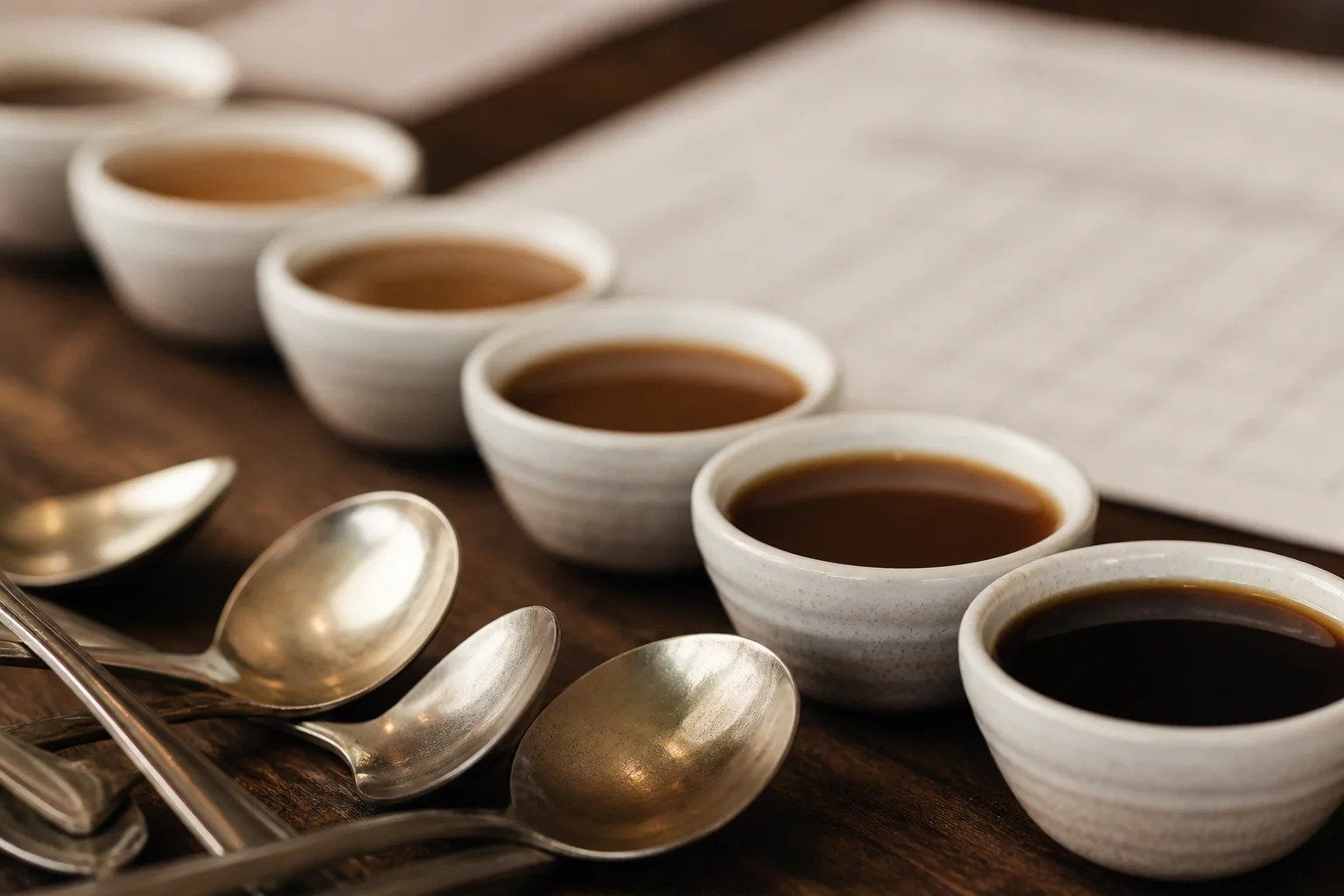
Coffee quality organizations use a 100-point cupping scale, scored by trained tasters in blind sessions across categories like aroma, flavor, acidity, body, and balance. A coffee generally needs to clear roughly 80 points to be called specialty grade at all — below that line, it’s typically considered commercial grade. This is a real quality floor, not marketing language, even though the word gets used loosely.
| Score range | General category |
|---|---|
| Below 80 | Commercial grade |
| 80–84.99 | Specialty grade (very good) |
| 85–89.99 | Specialty grade (excellent) |
| 90+ | Specialty grade (outstanding, rare) |
Approximate bands based on common cupping-scale conventions — verify exact current thresholds before citing as fact.
Why “specialty” isn’t a legal claim, just a score
No regulatory body enforces the word “specialty” the way “organic” or a graded egg carton is enforced. A roaster can print “specialty” on a bag that never cleared any formal cupping threshold, and nothing stops them. The only way to actually know if a bag cleared the bar is if the roaster discloses the real cupping score or origin lot data — most don’t bother.
What a higher score actually buys you in the cup
Differences show up as fewer defects (moldy, fermented, or insect-damaged beans are more common at the low end and easy to miss without training), more distinct flavor notes as the score climbs, and more consistent quality roast to roast, since better-sorted beans behave more predictably under heat.
Whether it’s worth paying more for
For someone drinking coffee with milk and sugar daily, the gap between an 82-point bag and an 88-point bag is close to undetectable — brew method and freshness matter more day to day. For someone drinking it black and paying attention, the gap is real and usually worth the extra few dollars a pound. Either way, the word “specialty” alone isn’t proof of anything; an actual score or a roast date within a few weeks tells you more than the label does.
Run Your Life on Your Own Terms
The Keep — coffee, liberty, and capital, one email a week. No fluff, no spin.

Sam Whitfield
Writes The Keep’s Coffee coverage — cost-per-cup math, gear that’s actually worth buying, and what your daily ritual says about your spending. No snobbery, no religion about brew method.
More like this: The Coffee Guide indexes everything we have published in this pillar.