
Coffee
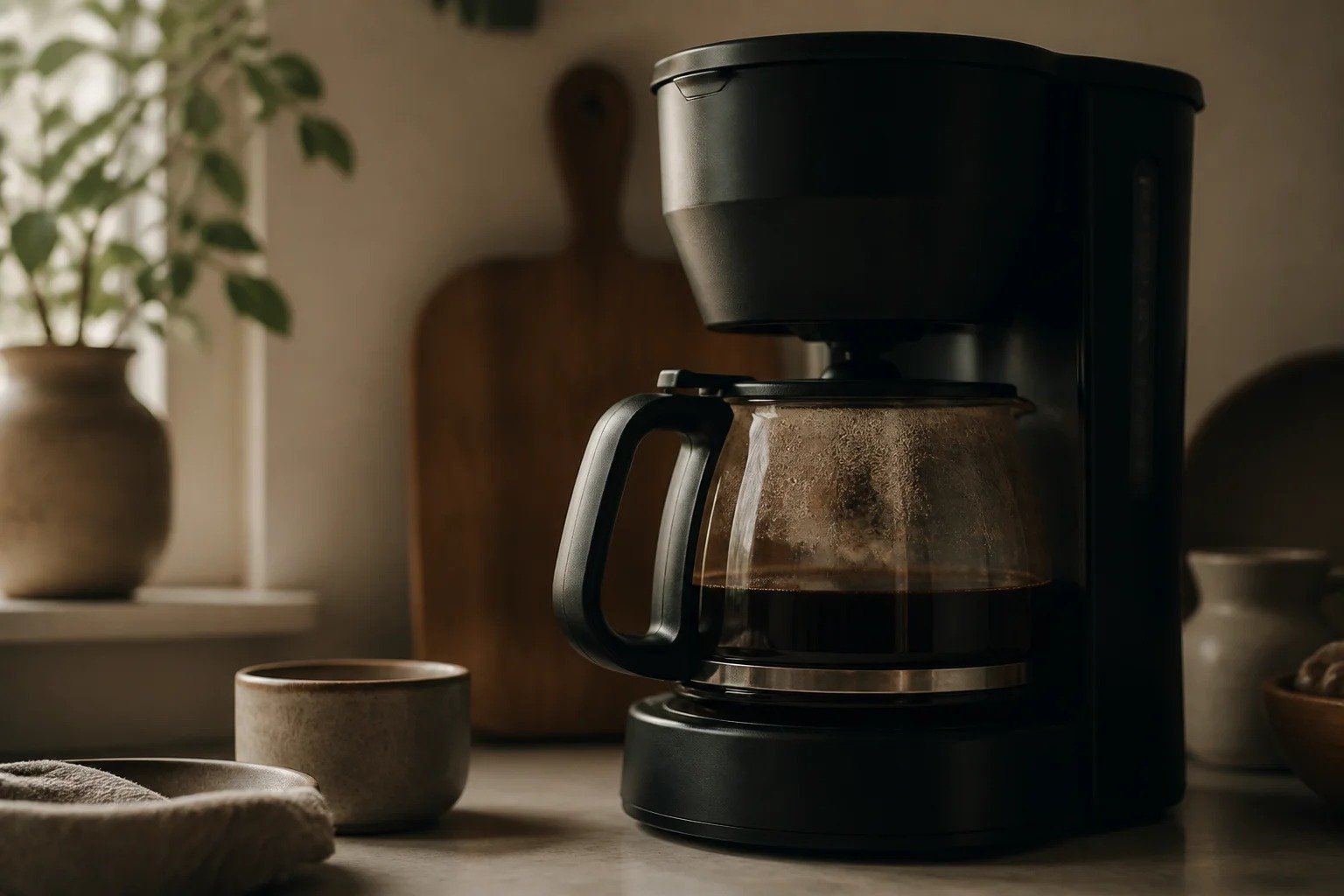
Most drip machines keep coffee “fresh” for hours with a hot plate and an auto-shutoff timer. That combination is exactly what makes the last cup of the pot taste noticeably worse than the first.
What the burner plate actually does to brewed coffee
The hot plate under the carafe keeps coffee at serving temperature by continuing to apply heat after brewing is already done. That continued heat exposure keeps altering the coffee’s chemistry well past the point where the actual brewing process finished.
Why “keeping it warm” and “keeping it good” aren’t the same thing
Coffee sitting on a warmer for an hour or more tastes bitter, flat, or stale compared to fresh-off-the-brew coffee — that’s not the beans going bad, it’s ongoing heat exposure breaking down the compounds that made the first cup taste good in the first place.
The bean cost of coffee nobody actually drinks
Because the last cup off a pot sitting on a warmer for 90 minutes often tastes bad enough to skip, a real portion of a full pot commonly goes down the drain in a lot of households — paid-for beans and water, discarded, hidden inside an appliance behavior most people never actually think about.
What actually keeps coffee good after brewing
Insulated or thermal carafes hold heat without applying continued direct heat, and don’t degrade the coffee the same way a hot plate does. Brewing only what you’ll drink within 20–30 minutes avoids the problem entirely. Or use a machine with a manual off switch instead of relying on auto-warming.
Run Your Life on Your Own Terms
The Keep — coffee, liberty, and capital, one email a week. No fluff, no spin.

Sam Whitfield
Writes The Keep’s Coffee coverage — cost-per-cup math, gear that’s actually worth buying, and what your daily ritual says about your spending. No snobbery, no religion about brew method.
More like this: The Coffee Guide indexes everything we have published in this pillar.